
DIY Guide: Preparing Your Site for a Commercial Engineering Project
Da
Understanding the Importance of Site Preparation
When embarking on a commercial engineering project, the first and most crucial step is preparing the site. Proper site preparation ensures the stability, safety, and success of the entire project. It involves several steps that, if done correctly, can save time and money in the long run.
Site preparation sets the foundation for all subsequent construction activities. Without it, projects may face delays, increased costs, and potential safety hazards. This guide will walk you through the essential steps to prepare your site effectively.
Conducting a Thorough Site Assessment
Before any physical work begins, it's essential to conduct a comprehensive site assessment. This involves evaluating the land to identify any potential challenges or obstacles. Key factors to consider include:
- Soil composition and stability
- Topography and drainage patterns
- Existing structures and vegetation
- Environmental concerns and regulations
Understanding these aspects will help you develop a tailored plan that addresses site-specific needs and complies with local regulations.
Surveying and Mapping
Engage a professional surveyor to create detailed maps of the site. These maps should include elevations, property boundaries, and any existing utilities. Accurate maps are crucial for planning the layout of the project and ensuring everything is in the right place.

Clearing and Grading the Site
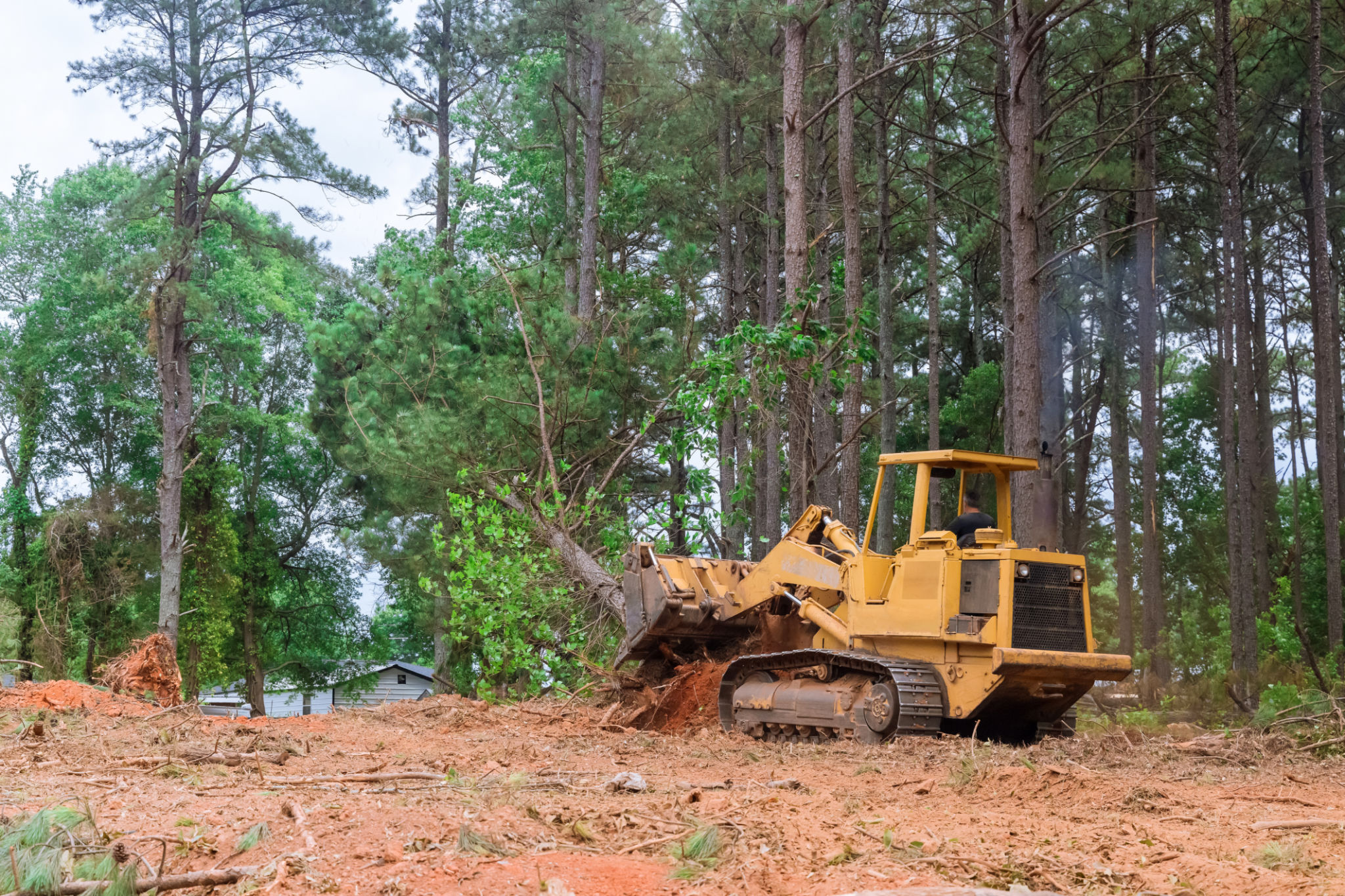
Once the site assessment is complete, the next step is clearing and grading. This involves removing any unwanted vegetation, debris, and existing structures that may interfere with construction. It’s important to follow environmental guidelines when disposing of materials.
Grading the land is crucial to provide a level base for construction. Proper grading ensures adequate drainage and reduces the risk of erosion. This step is vital for preventing water-related issues that could damage the project in the future.
Installing Temporary Utilities
During the construction phase, access to utilities is essential. Installing temporary water, electricity, and sanitation facilities will ensure that workers have the necessary resources to perform their tasks efficiently. Proper planning for these utilities can prevent unexpected delays.
Implementing Erosion and Sediment Control
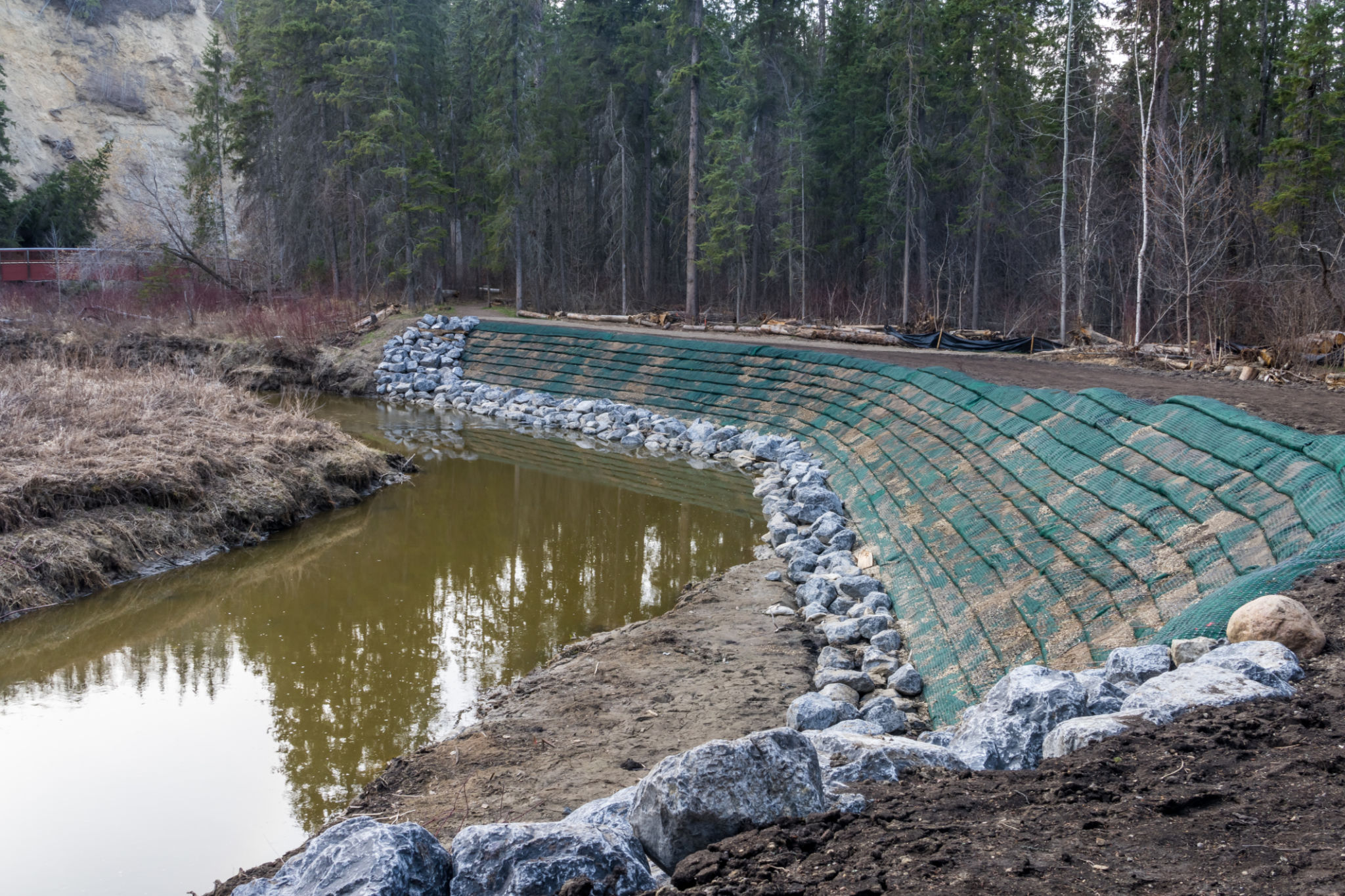
To protect the site and surrounding areas, implementing erosion and sediment control measures is essential. This might include silt fences, sediment basins, and erosion control blankets. These measures help prevent soil erosion and water pollution during construction.
Regular inspections and maintenance of these controls are necessary to ensure their effectiveness throughout the project. Compliance with environmental regulations is not only a legal requirement but also a responsible practice that benefits the community and environment.
Ensuring Safety and Compliance
Safety is a top priority on any construction site. Implementing robust safety protocols and ensuring all workers are trained and equipped with the necessary protective gear is essential. Regular safety audits and meetings can help maintain a safe working environment.
Additionally, ensure that all permits and approvals are in place before work begins. This includes building permits, environmental permits, and any other required documentation. Compliance with legal requirements is crucial to avoid fines and project delays.