
Preparing Your Site for Excavation: Seasonal Tips for California Projects
Da
Understanding California's Climate
California's diverse climate requires careful planning for excavation projects. From the rainy north to the arid south, each region presents unique challenges. Understanding these climatic variations is crucial for a successful excavation process.
In Northern California, wet winters can lead to muddy conditions, making it essential to plan around the rain. Conversely, Southern California often faces drought conditions, requiring dust control measures.

Planning Your Excavation Timeline
Timing is everything in excavation projects. To avoid delays, it's important to schedule work according to the local climate. For instance, in Northern California, consider starting projects in late spring when the ground is firmer.
In contrast, Southern California projects might be better suited for fall when temperatures are cooler, reducing heat-related challenges for workers and equipment.
Soil Assessment and Preparation
Conducting a thorough soil assessment is vital. Different soil types react differently to weather conditions. Sandy soils may drain well but can be unstable, while clay-rich soils might retain water, leading to potential delays.

Once the soil type is identified, proper preparation can commence. This might involve soil stabilization techniques or drainage solutions to ensure the site remains manageable throughout the project.
Weather Monitoring and Adaptation
Utilizing weather forecasting tools can help in anticipating and mitigating potential weather-related disruptions. For example, keeping an eye on upcoming storms can allow for proactive measures, such as tarping exposed areas or rescheduling tasks.
Adaptability is key. Having contingency plans for unexpected weather changes can save time and resources, ensuring the project stays on track.

Environmental and Regulatory Considerations
California's stringent environmental regulations necessitate a thorough understanding of legal requirements. Protecting native habitats and water sources is a priority, and obtaining the necessary permits is a must.
Working with local authorities and environmental experts can help navigate these requirements, ensuring compliance and minimizing ecological impact.
Utilizing the Right Equipment
Choosing the right equipment for the job is essential. In wetter areas, heavier machinery may be required to manage the challenging terrain, while lighter equipment can suffice in drier regions.
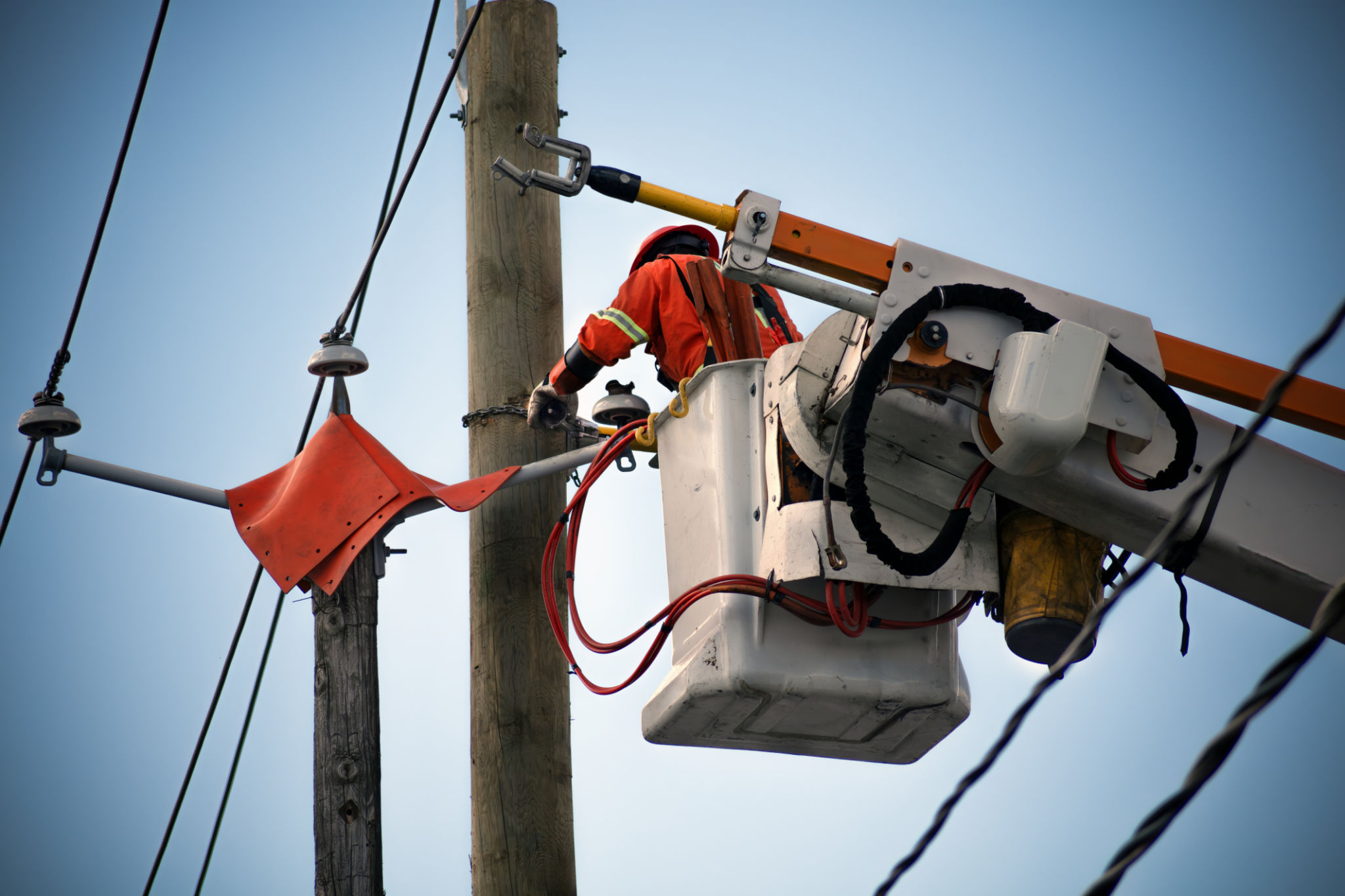
Regular maintenance and inspection of machinery are also critical to prevent downtime and ensure safety during excavation.
Safety First: Protecting Workers
Safety should always be a top priority. Providing adequate training and safety gear for workers is non-negotiable. Consider the specific weather-related hazards, such as heatstroke in southern regions or slippery conditions in the north.
Regular safety briefings and emergency response plans can further ensure a secure working environment.