
Winter Construction Safety Tips from Local Engineers: A Comprehensive Guide
Da
Winter poses unique challenges for construction sites, where cold temperatures and adverse weather conditions can impact safety and efficiency. To ensure that projects continue smoothly, it's crucial to implement specific safety measures. Local engineers have shared their insights on maintaining a safe construction environment during winter months.
Preparing the Site
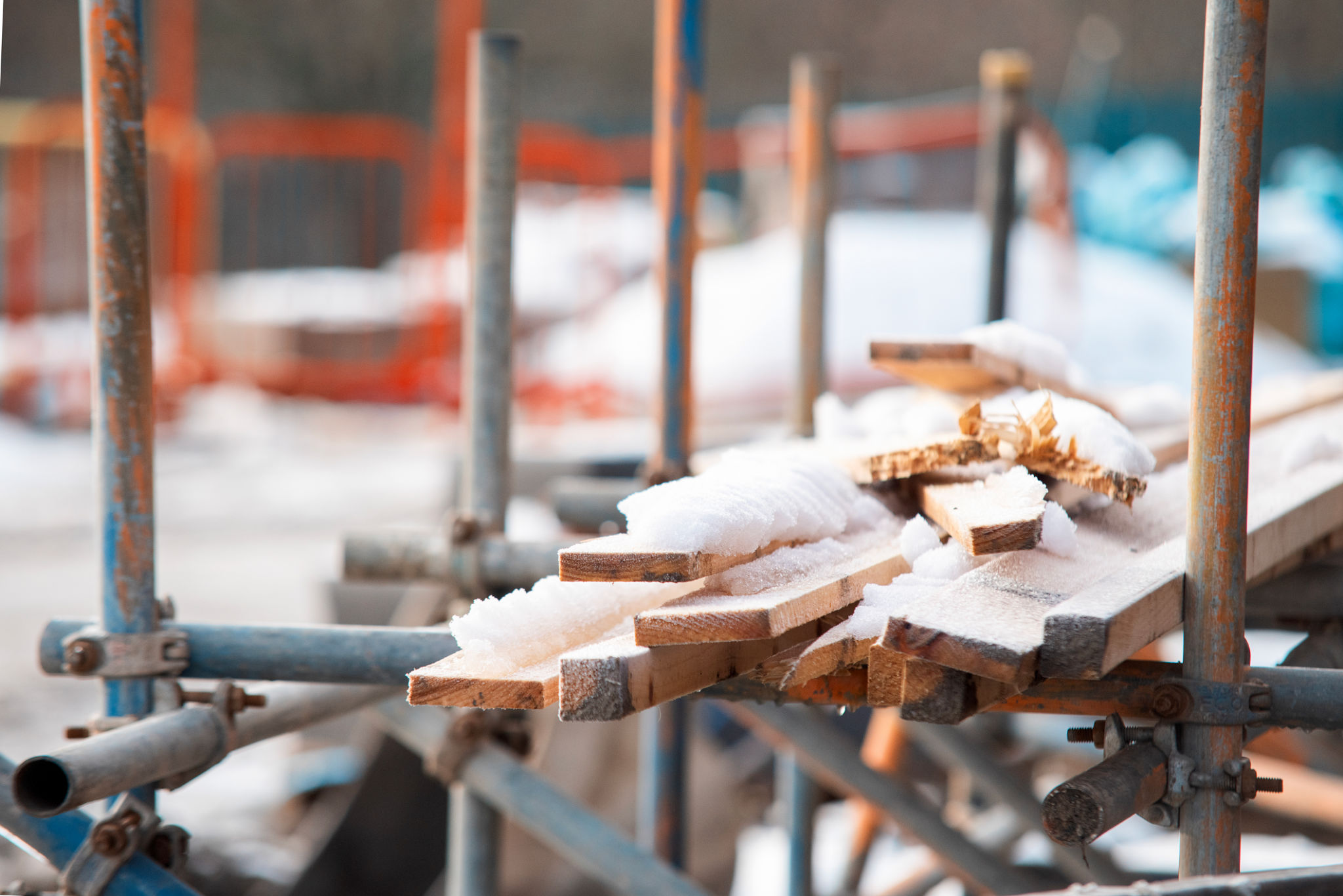
Before winter sets in, it's essential to prepare the construction site. This involves assessing potential hazards such as ice, snow accumulation, and reduced daylight. Engineers recommend conducting a thorough site inspection to identify areas that may require additional attention.
Implement Proper Drainage
Ensuring effective drainage is vital to prevent water accumulation, which can freeze and create hazardous conditions. Proper grading and drainage systems should be in place to direct water away from work areas.
Clear Snow and Ice
Regularly clearing snow and ice from pathways, equipment, and structures is crucial. Use salt or sand to improve traction and reduce the risk of slips and falls. Assign a dedicated team to monitor and manage snow removal.

Protecting Workers
Worker safety is a top priority, especially in harsh winter conditions. Providing appropriate gear and training can make a significant difference in maintaining safety standards.
Provide Adequate Clothing
Workers should be equipped with insulated clothing, gloves, hats, and waterproof boots. Layered clothing is recommended to regulate body temperature and keep workers comfortable and efficient.
Ensure Visibility
Shorter daylight hours mean reduced visibility, which can increase the risk of accidents. Install adequate lighting and ensure that all workers wear high-visibility vests.
Equipment Maintenance
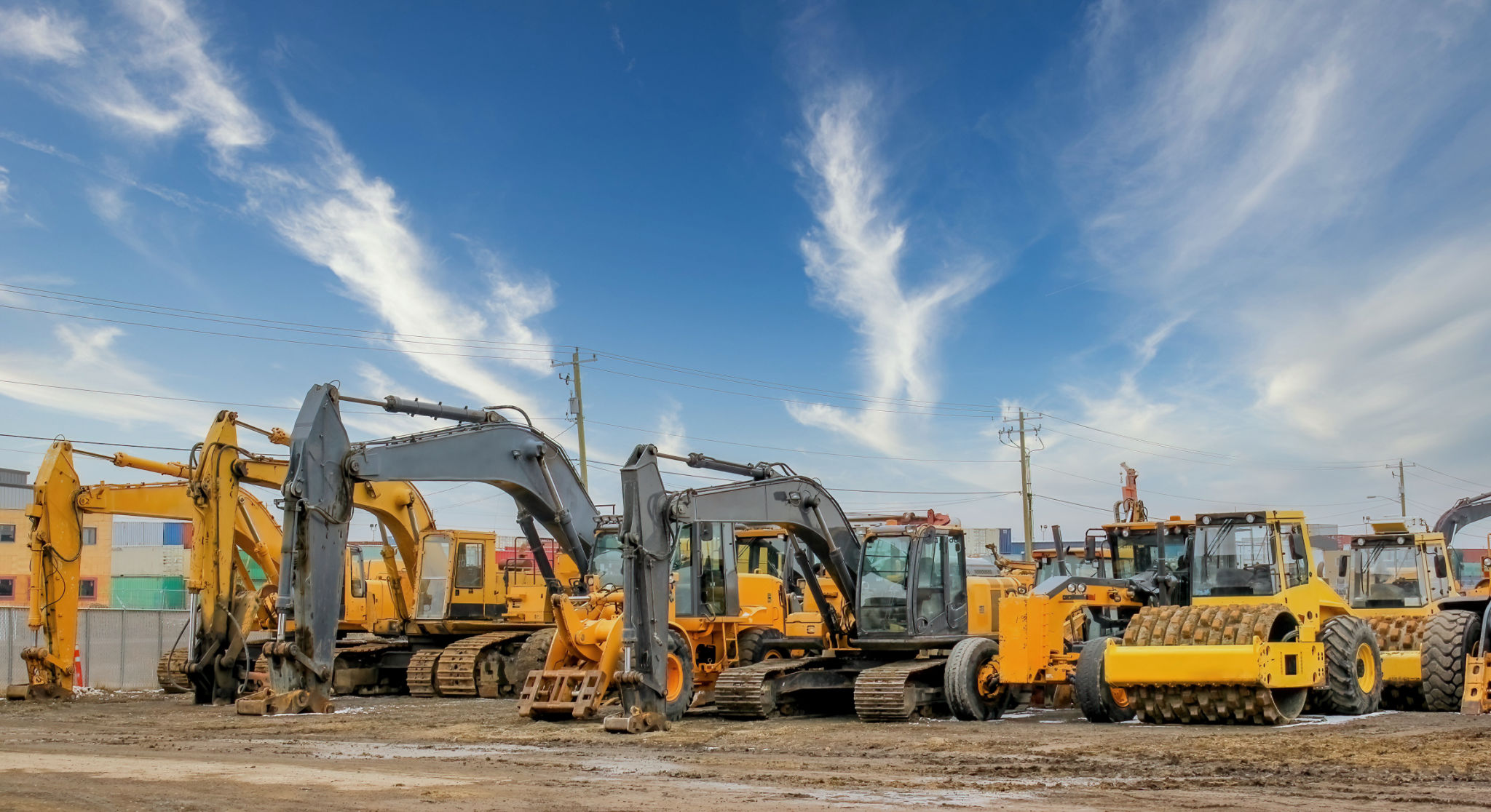
Cold weather can affect the performance and reliability of construction equipment. Regular maintenance checks are essential to ensure that machinery operates safely and efficiently.
Inspect and Service Equipment Regularly
Before use, inspect equipment for any signs of wear or damage. Pay attention to batteries, fluids, and tire conditions, as these can be particularly vulnerable in cold weather.
Use Cold Weather Lubricants
Switch to cold-weather lubricants to ensure that machinery operates smoothly. This can prevent equipment from seizing up and reduce the risk of unexpected breakdowns.
Emergency Preparedness
Having an emergency plan in place is crucial for addressing unexpected situations. Winter storms and extreme temperatures can disrupt work, so being prepared is key.
Develop a Response Plan
Create an emergency response plan that includes evacuation procedures, communication protocols, and contact information for emergency services. Regularly conduct drills to ensure all workers are familiar with the plan.
By implementing these winter construction safety tips from local engineers, you can maintain a productive and secure construction site throughout the colder months. Prioritizing safety not only protects workers but also ensures that projects are completed on time and within budget.