
Winter Construction Safety Tips from Local Engineers
Da
Understanding Winter Hazards
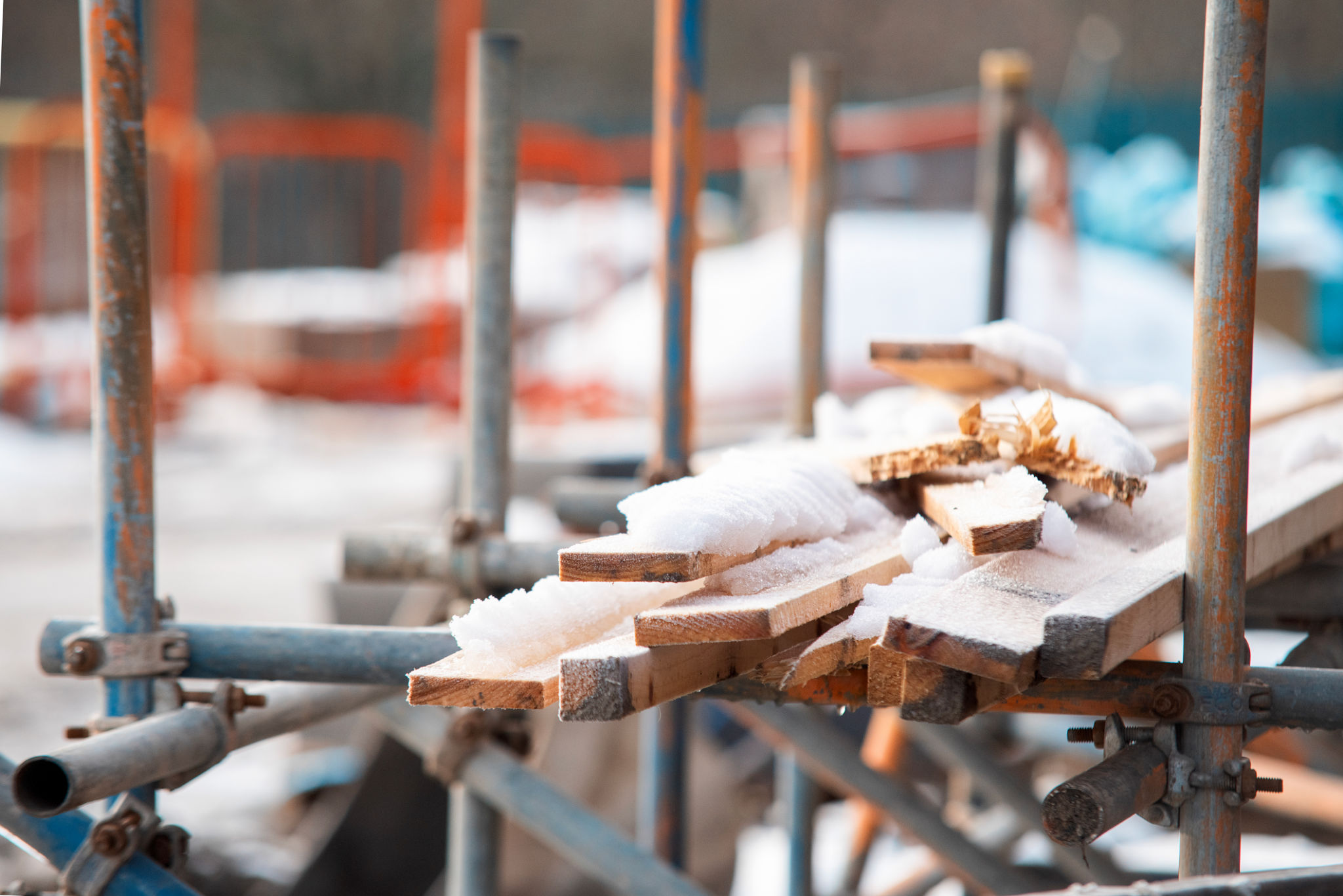
Winter construction can be particularly challenging due to unpredictable weather conditions. Snow, ice, and freezing temperatures pose unique risks that require careful planning and execution. Local engineers emphasize the importance of being aware of these hazards to ensure the safety of all workers on site.
Common winter hazards include slippery surfaces, reduced visibility, and the potential for frostbite. It's crucial to identify and mitigate these risks before they lead to accidents or injuries. By staying informed and prepared, construction teams can maintain productivity while prioritizing safety.
Preparing the Worksite
Preparation is key when it comes to winter construction. Engineers recommend a comprehensive site assessment to identify potential problem areas. This includes evaluating drainage to prevent ice build-up and ensuring that pathways are clear of snow and debris.
Implementing proper signage and barriers can also help direct foot and vehicle traffic safely around the site. This proactive approach minimizes confusion and reduces the likelihood of accidents.
Equipping Workers
Providing appropriate gear is essential for worker safety during winter months. This includes insulated clothing, waterproof boots, and gloves to protect against the cold. High-visibility clothing is also recommended, especially during snowstorms or low-light conditions.
Regular training sessions can keep workers informed about the latest safety protocols and ensure they're using equipment correctly. Engineers suggest scheduling these sessions at the start of the winter season and repeating them as needed.

Maintaining Equipment
Cold temperatures can affect the performance of construction equipment, leading to potential malfunctions. Regular maintenance checks are crucial to ensure all machinery is functioning properly. This includes inspecting hydraulic hoses, checking fluid levels, and keeping batteries charged.
Engineers advise storing equipment in a sheltered area when not in use to protect it from the elements. Additionally, using cold-weather lubricants can help machinery operate smoothly despite the freezing conditions.
Emergency Preparedness
Even with the best precautions, emergencies can still occur. Having a well-defined emergency response plan in place is vital. This plan should include emergency contact numbers, evacuation routes, and first-aid procedures.
- Ensure all workers are familiar with the emergency plan.
- Conduct regular drills to practice the procedures.
- Keep first-aid kits and emergency supplies readily accessible.

Monitoring Weather Conditions
Keeping an eye on the weather forecast is essential for planning construction activities. Sudden changes in weather can impact safety and scheduling. Engineers recommend using reliable weather apps and services to receive real-time updates.
Having a flexible schedule allows teams to adjust work activities based on weather conditions, reducing the risk of accidents due to unexpected storms or temperature drops.